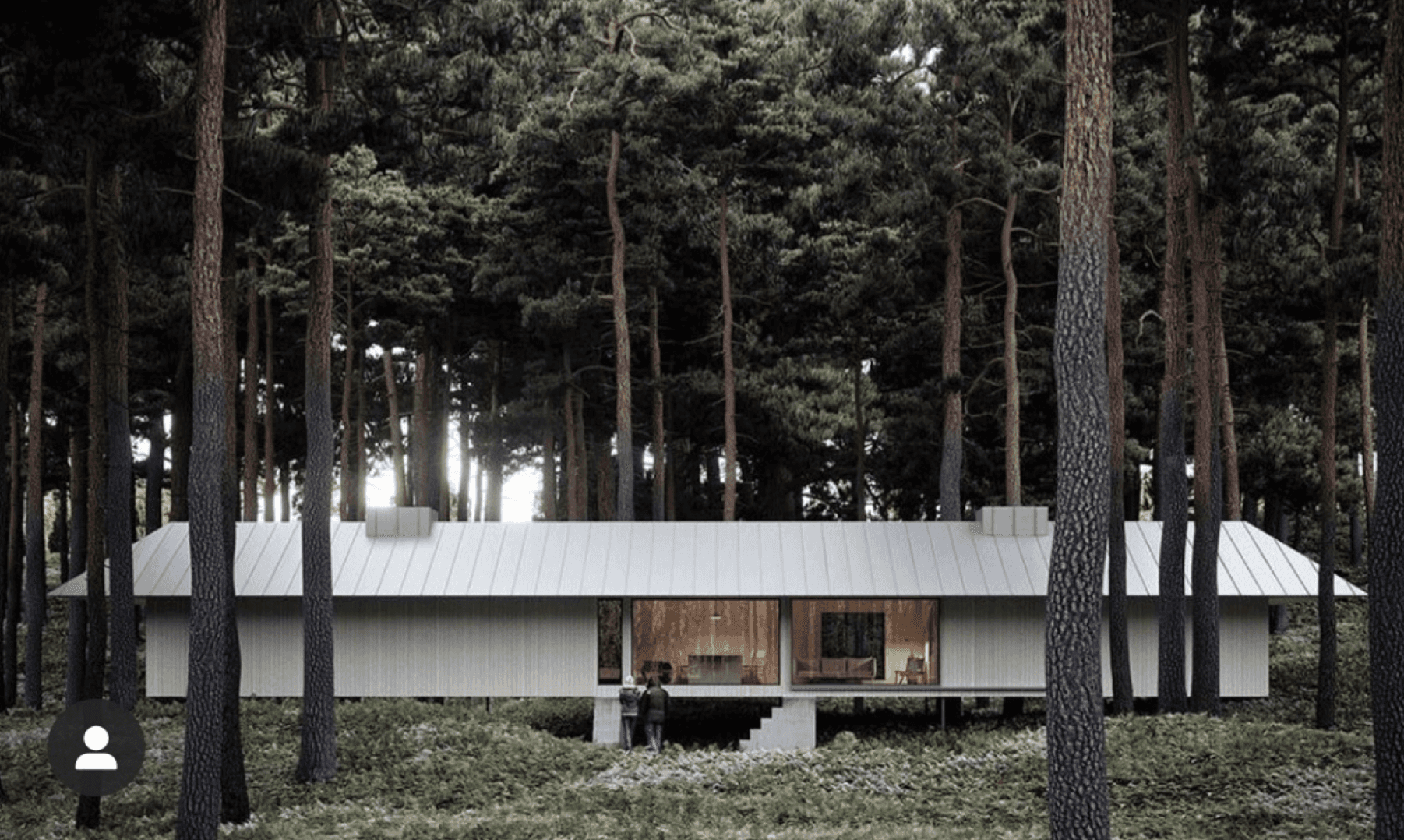
It was a long process, editing the forest.
December 25, 2025
Like
Zoning, the lines drawn on a map for the purpose of property ownership and use, outlast every other aspect of the built world (How Buildings Learn, Stuart Brand, 1999). In a city the buildings change, but the zone persists for 1000s of years. The Forest House was built around an idea of permanence. Our home displaced a happy and healthy forest by creating new lines on a map. The foest didn't know those lines. We didn't want to take their loss lightly.
Belief: Long after we hand this home to other people, and for however many generations it lasts, it will exist with the rocks, mosses, trees, and mushrooms that surround us (forest).
There should be harmony between it's environment (context) and it's use (us).
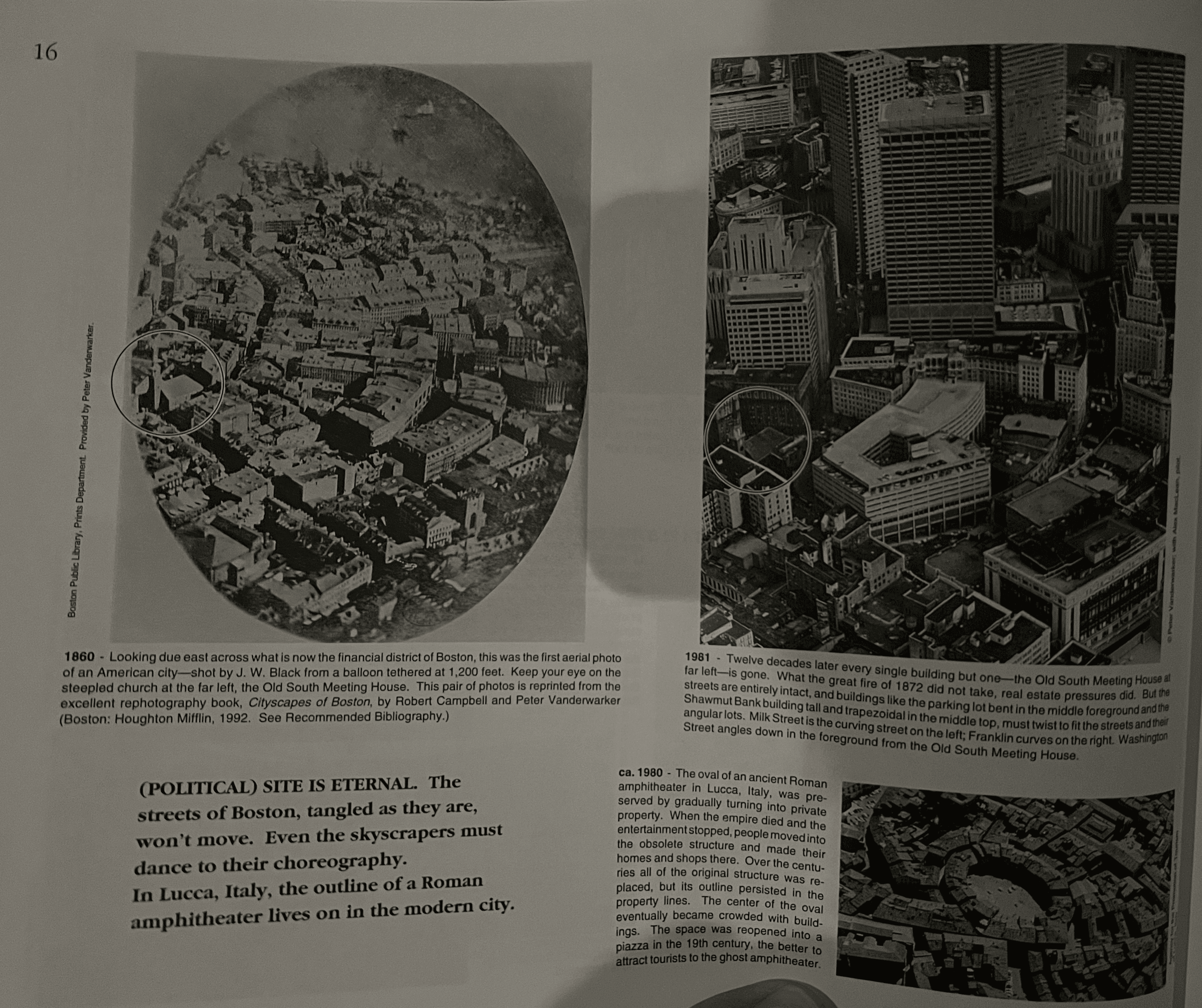
Urban planning has one of the slowest pace of the speed of change in the built world (How Buildings Learn, by Steward Brand, from 1994).
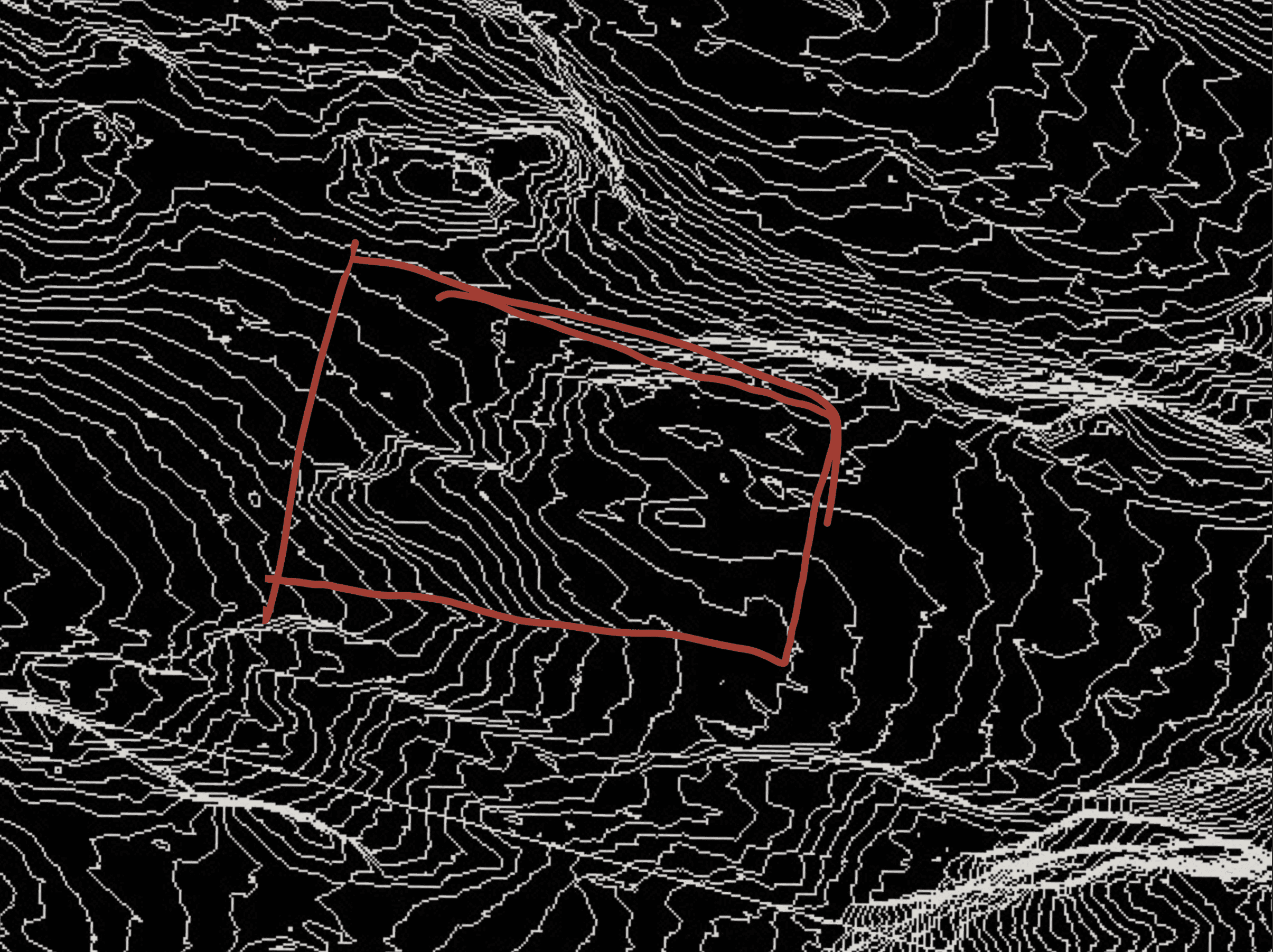
There was a long process of editing forest. Exploring a threshold between man-made and nature.
Building a modern home in a rainforest required many seasons of forest cleaning. Sorting branches. Falling trees. Opening up eyelines, or as my friend Bob would say "removing the noise." Slowly peeling back the layers of time. Cleaning, a primary act of human nature, is one of the clearest distinctions between modernity and wild. Cleaning is similar to weeding, which described by Michael Pollan in Second Nature (1991), is getting rid of the natural elements you don't want around.
Land stewardship in whatever form gives a responsibility to a person for decisions of "what to keep." The "what to keep" mentality is what brought us the Anthropocene. Believing we should do better in this area as people, we took care in how we plan our yard.
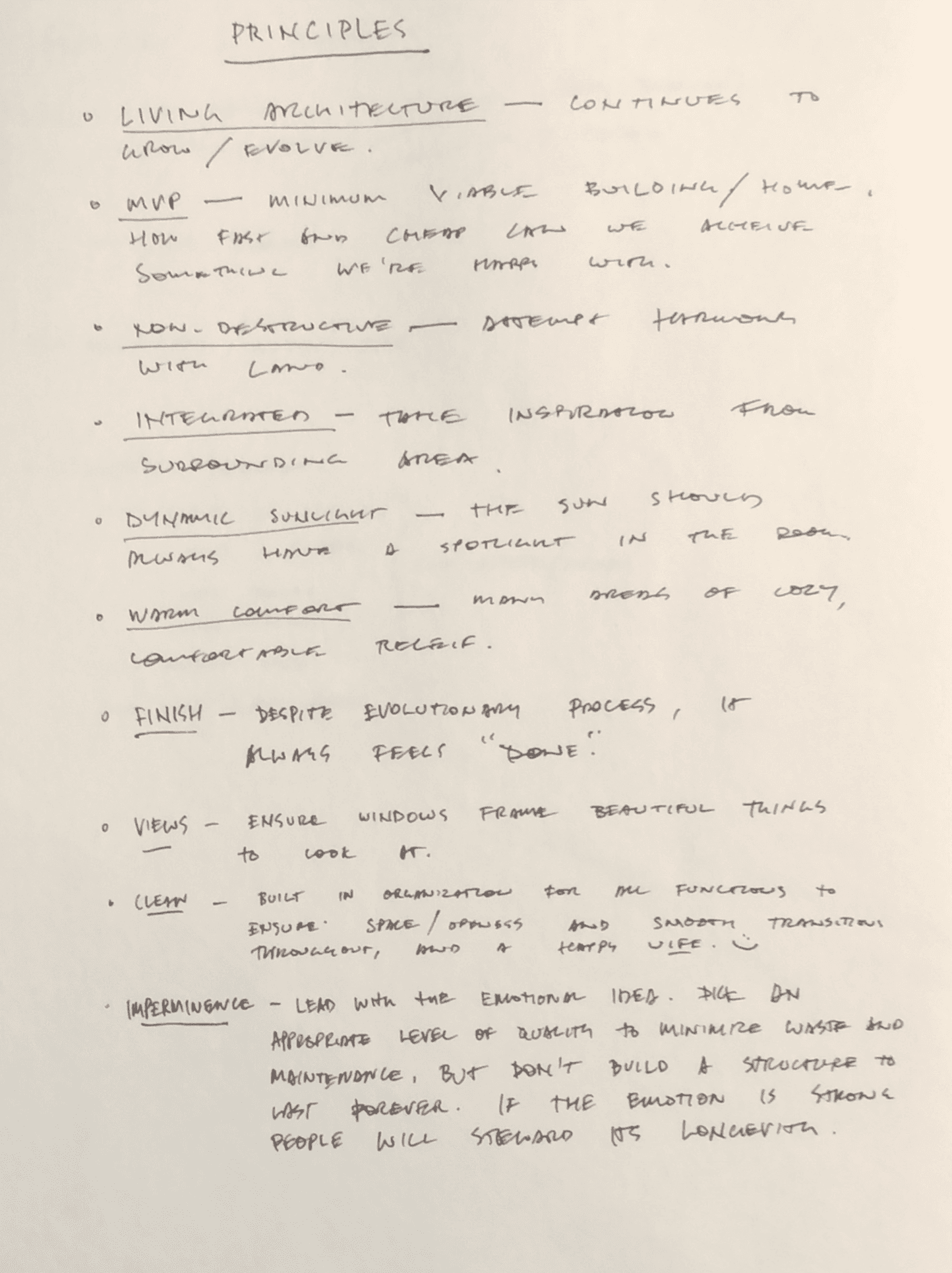
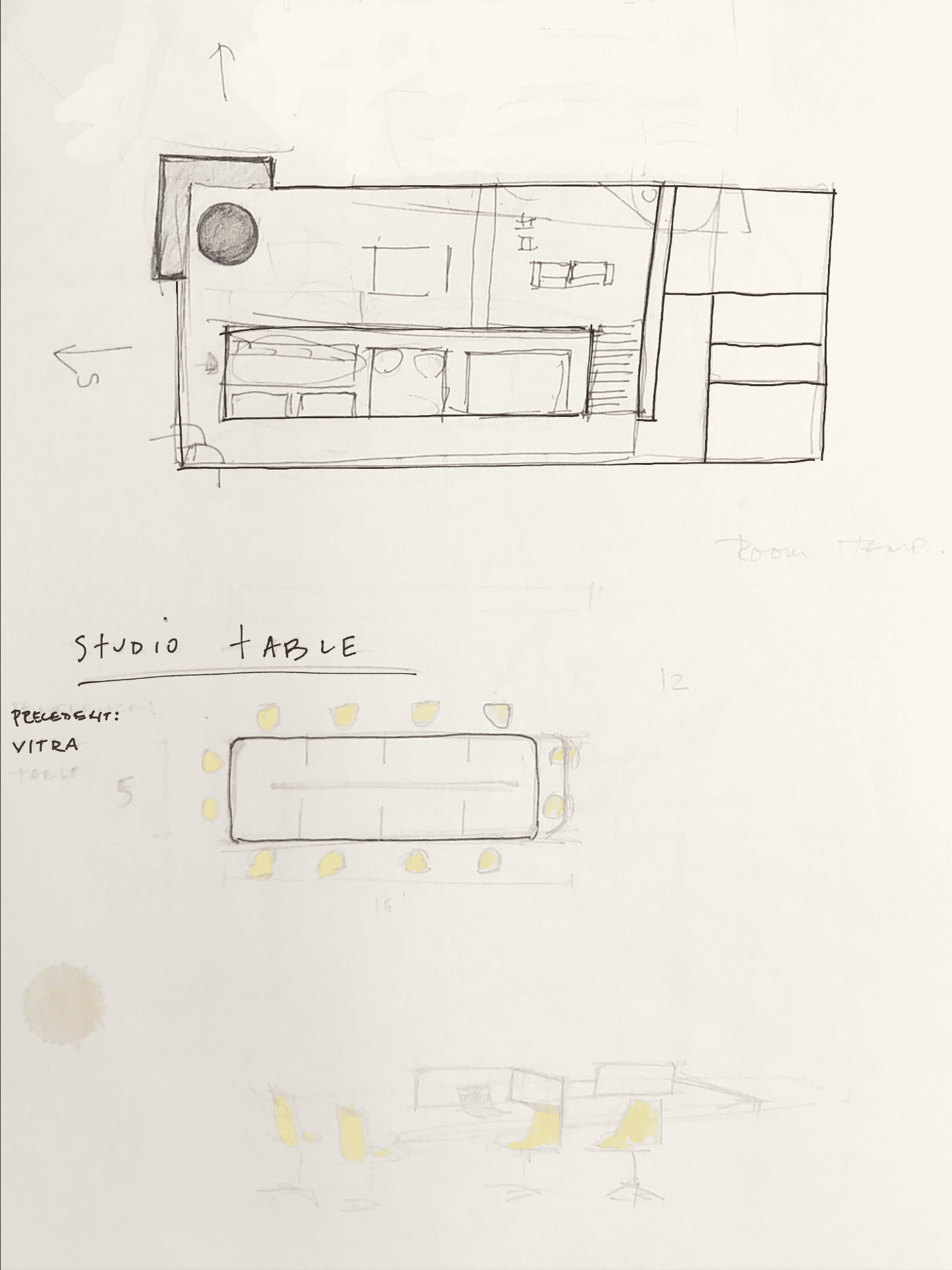
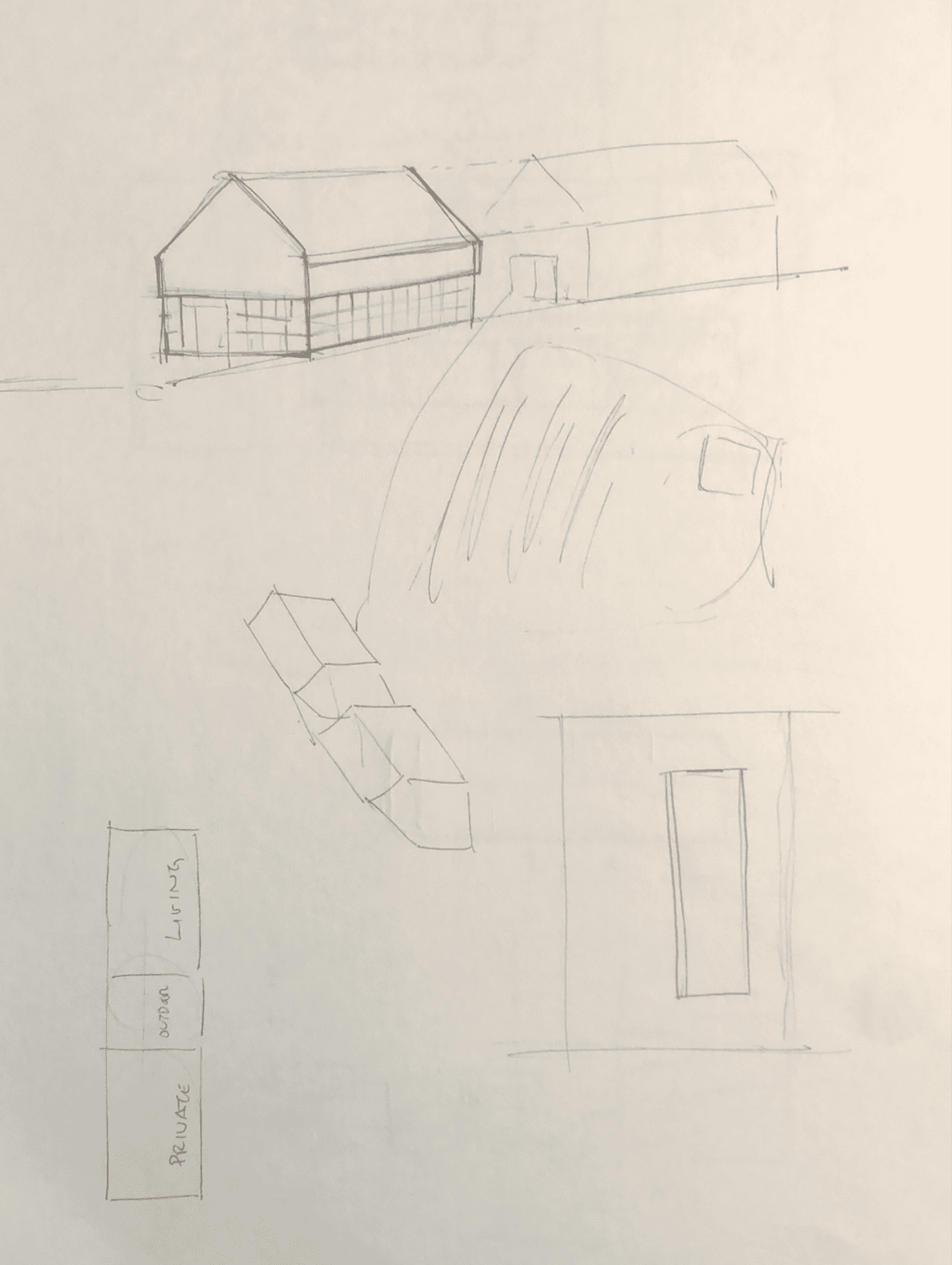
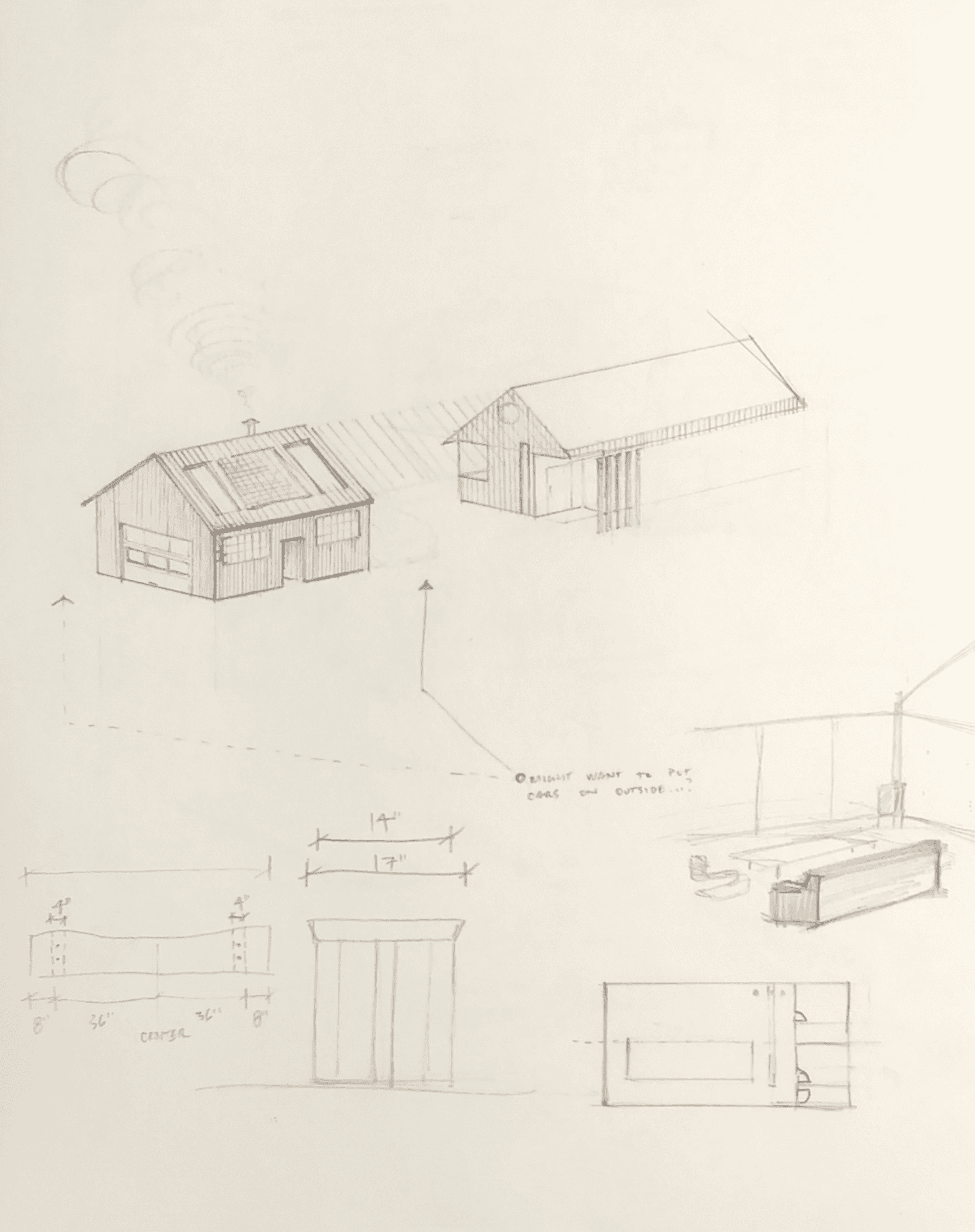
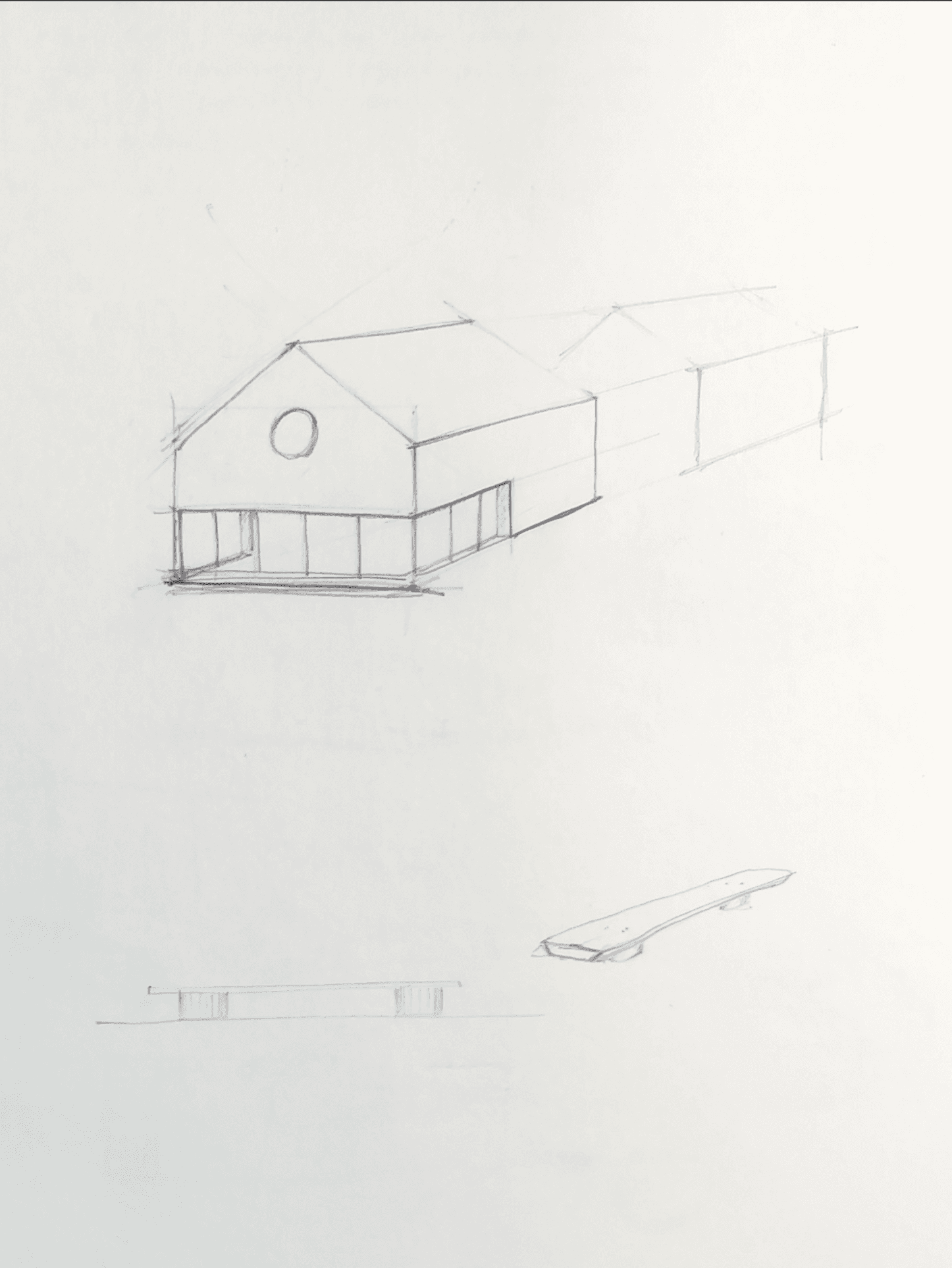
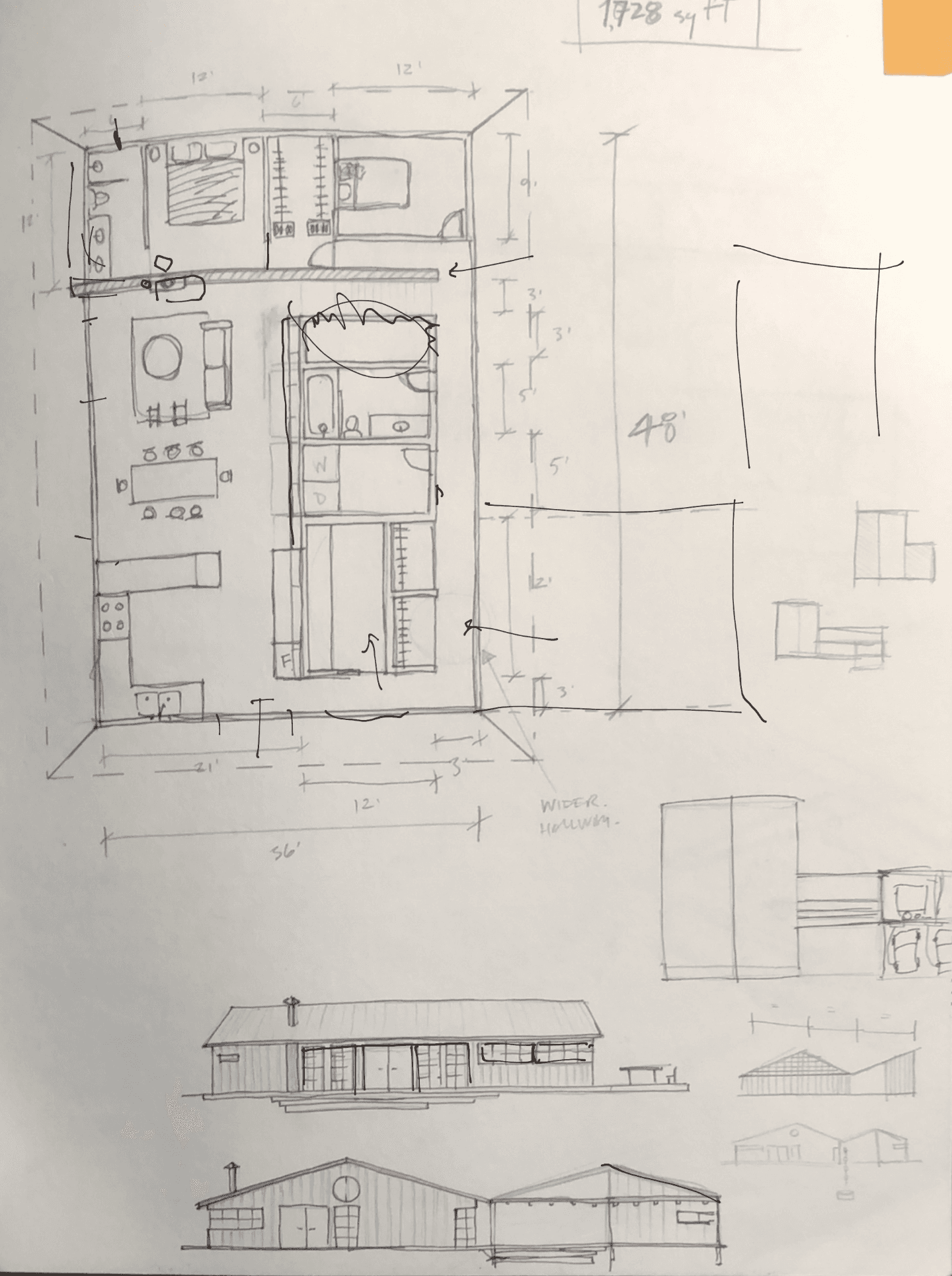
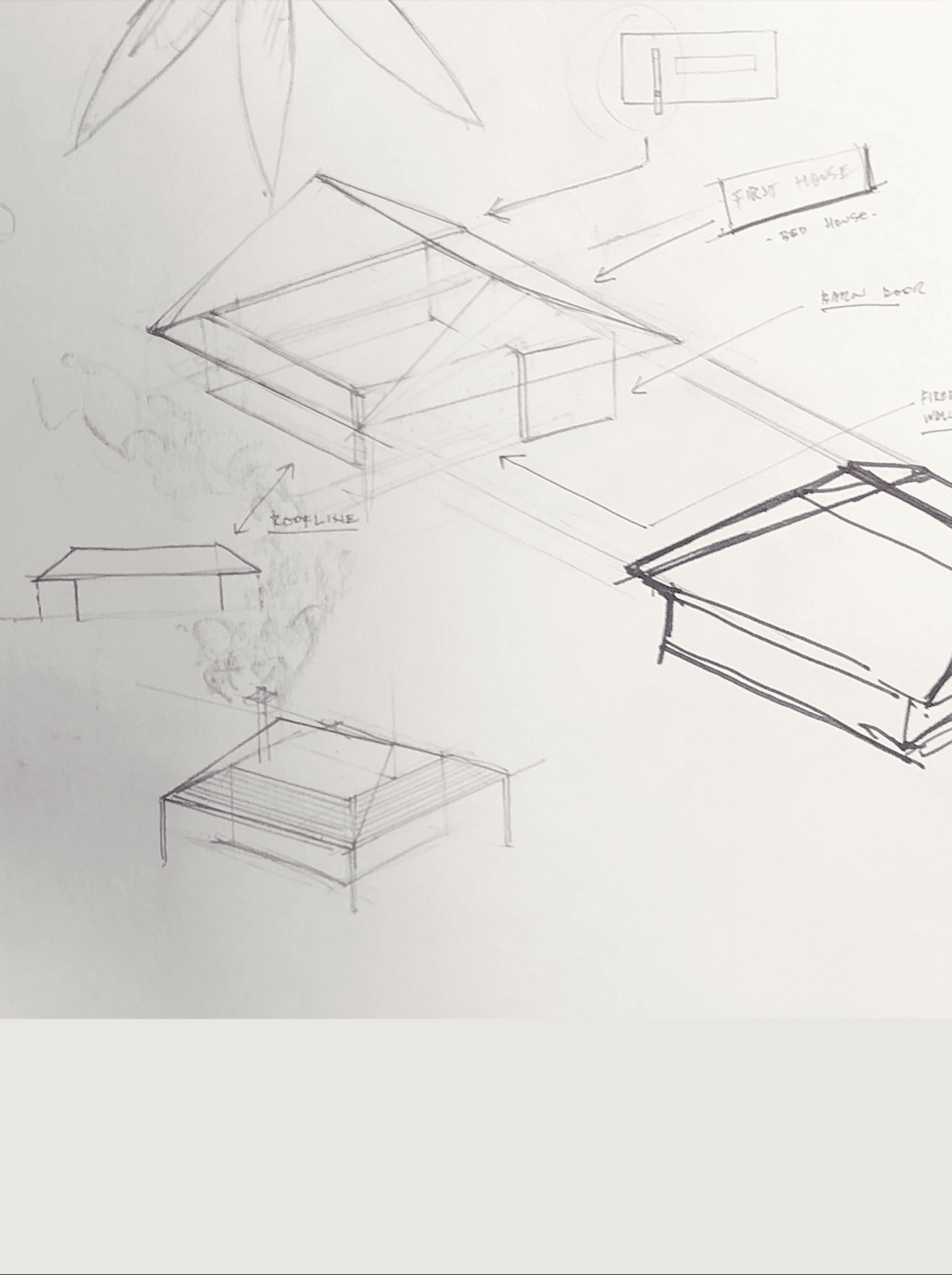
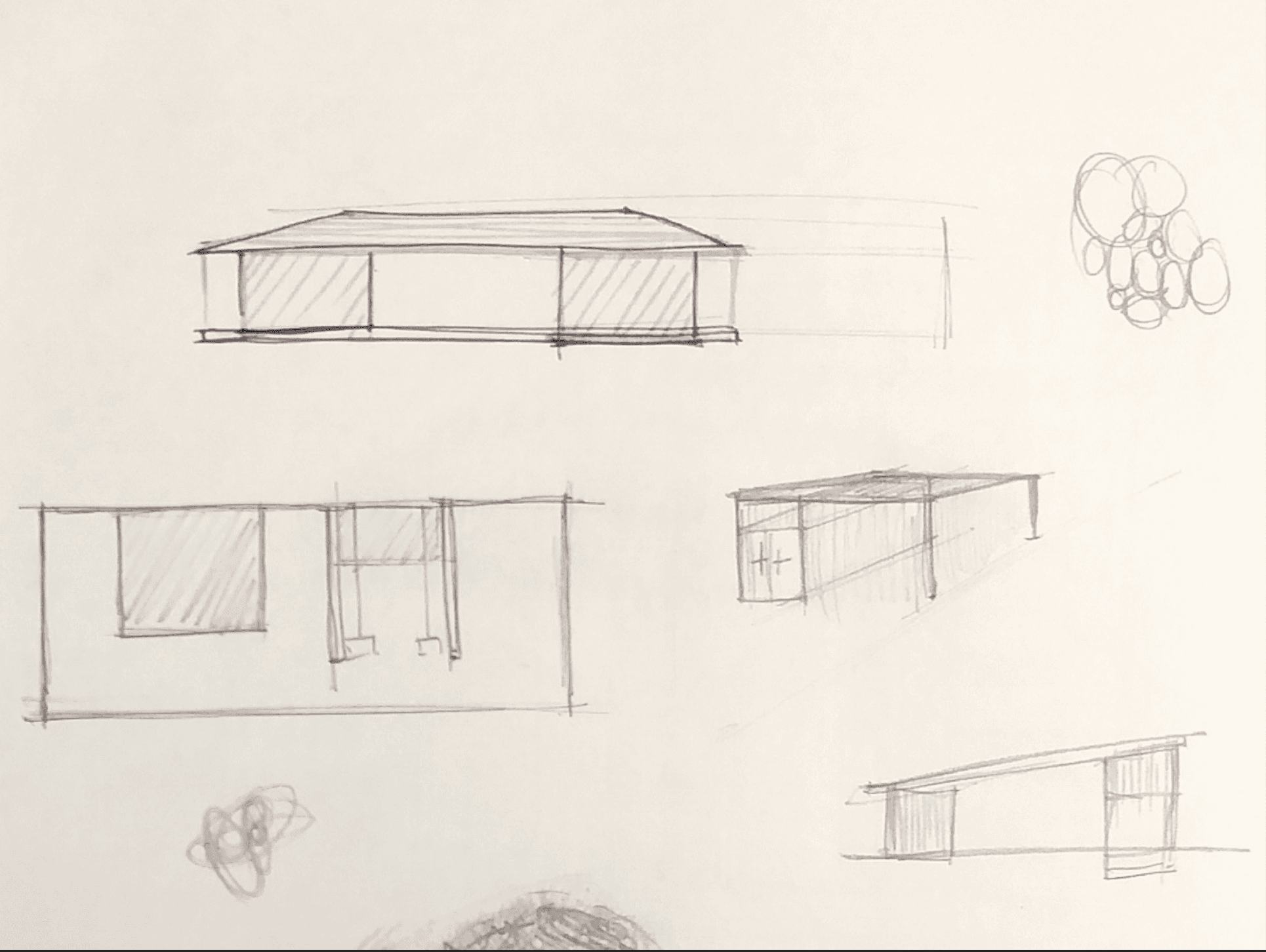
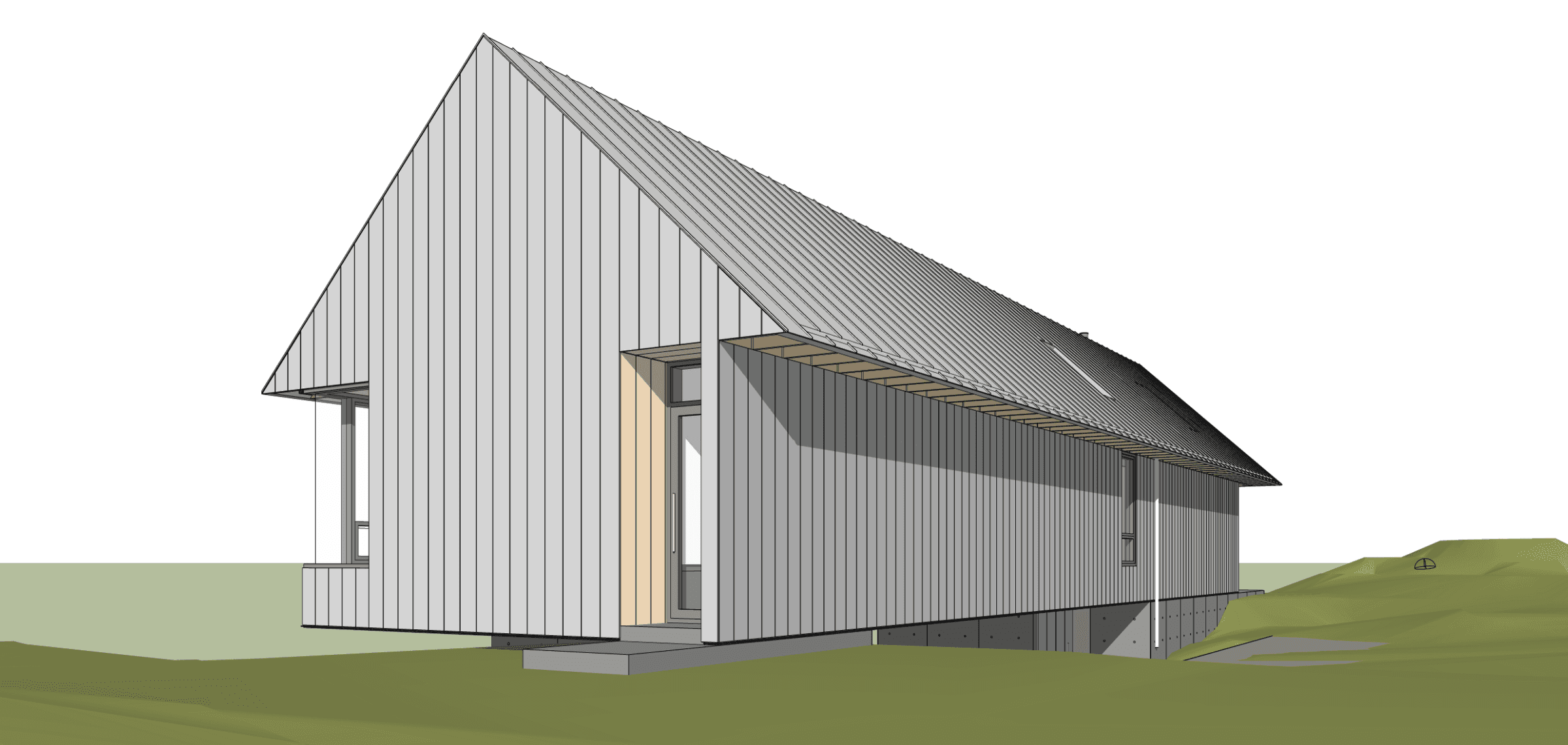
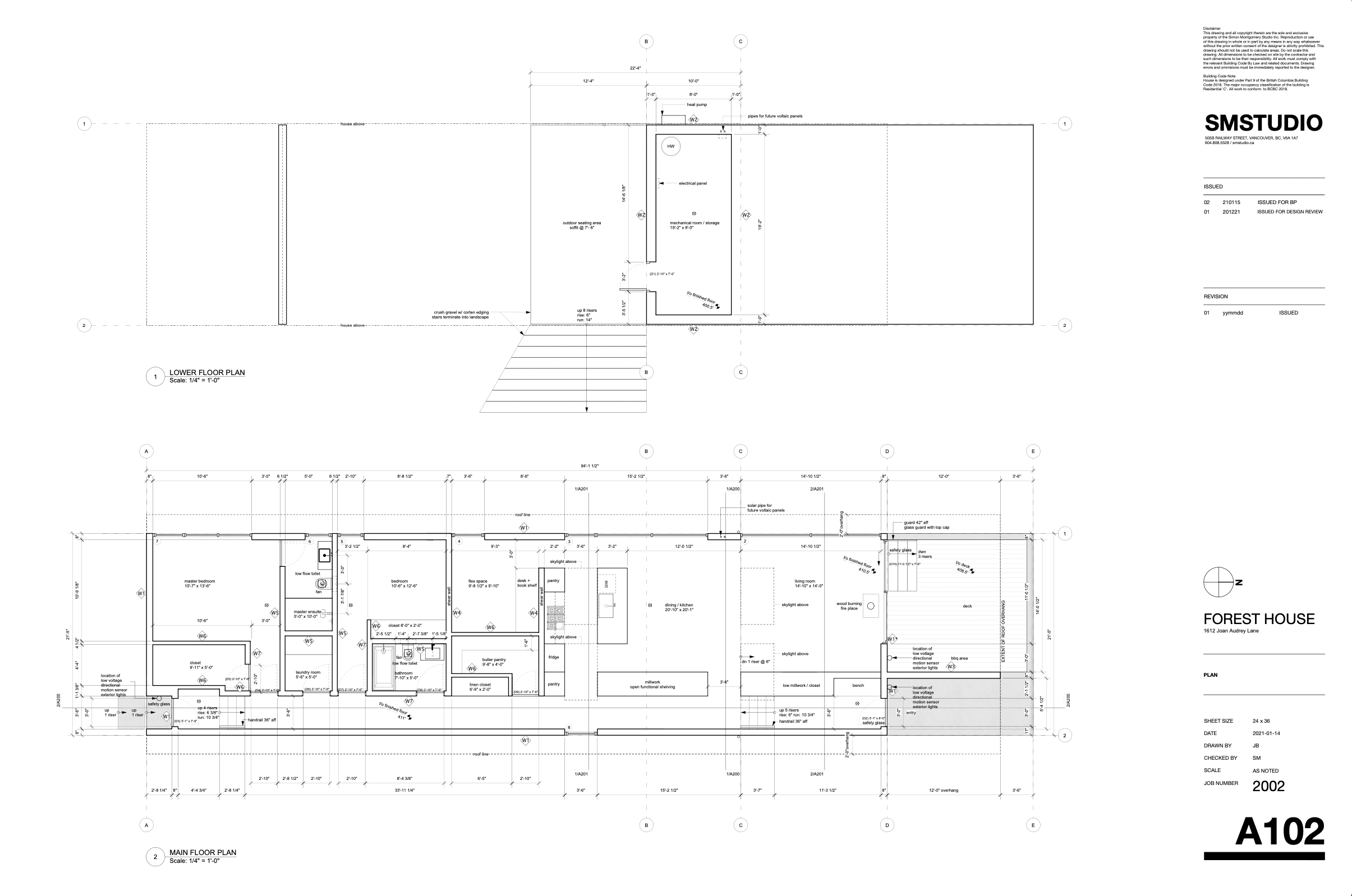
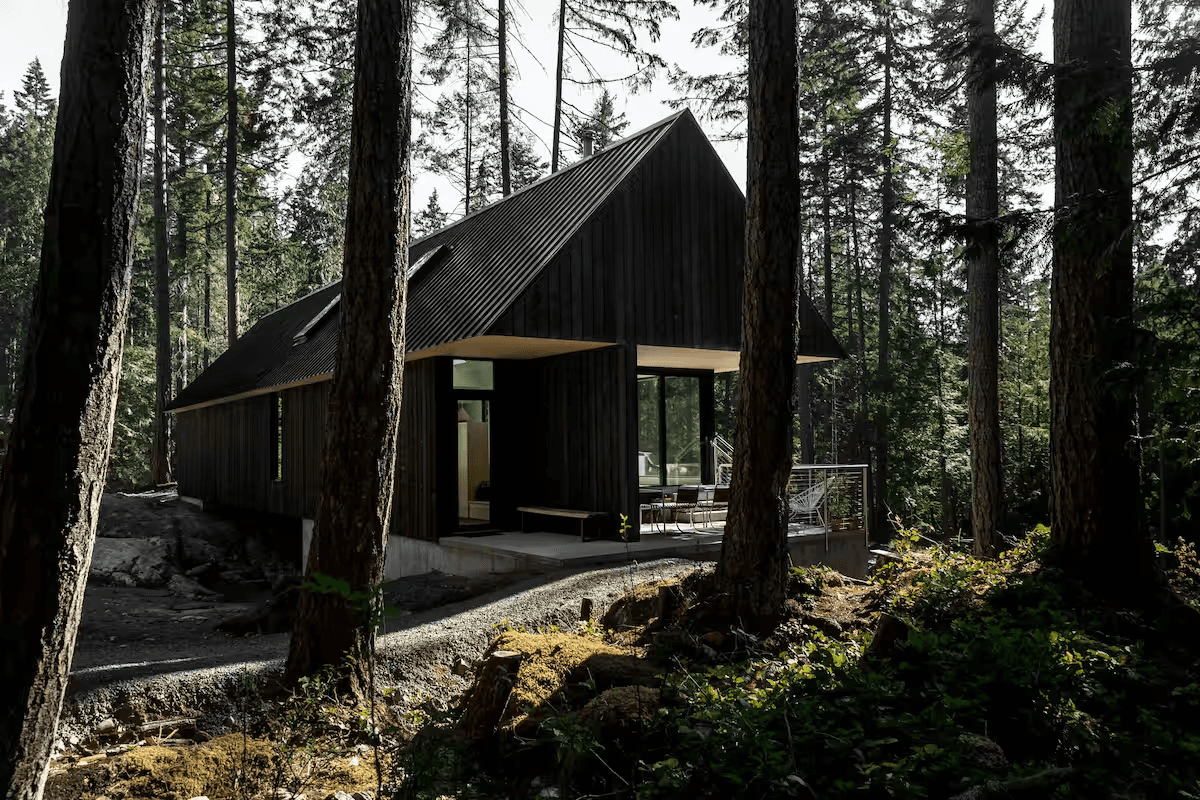
This post is mostly intended for my community of UX design friends, although hopefully it's enjoyable for anyone.
—-
Russel Taylor was on the forefront of the definition of UX from 20xx - 2024. His graduate cohorts are among the ranks of the biggest design and technology companies in the world. He taught me interaction design from 2006-2009 and we stayed friends ever since.
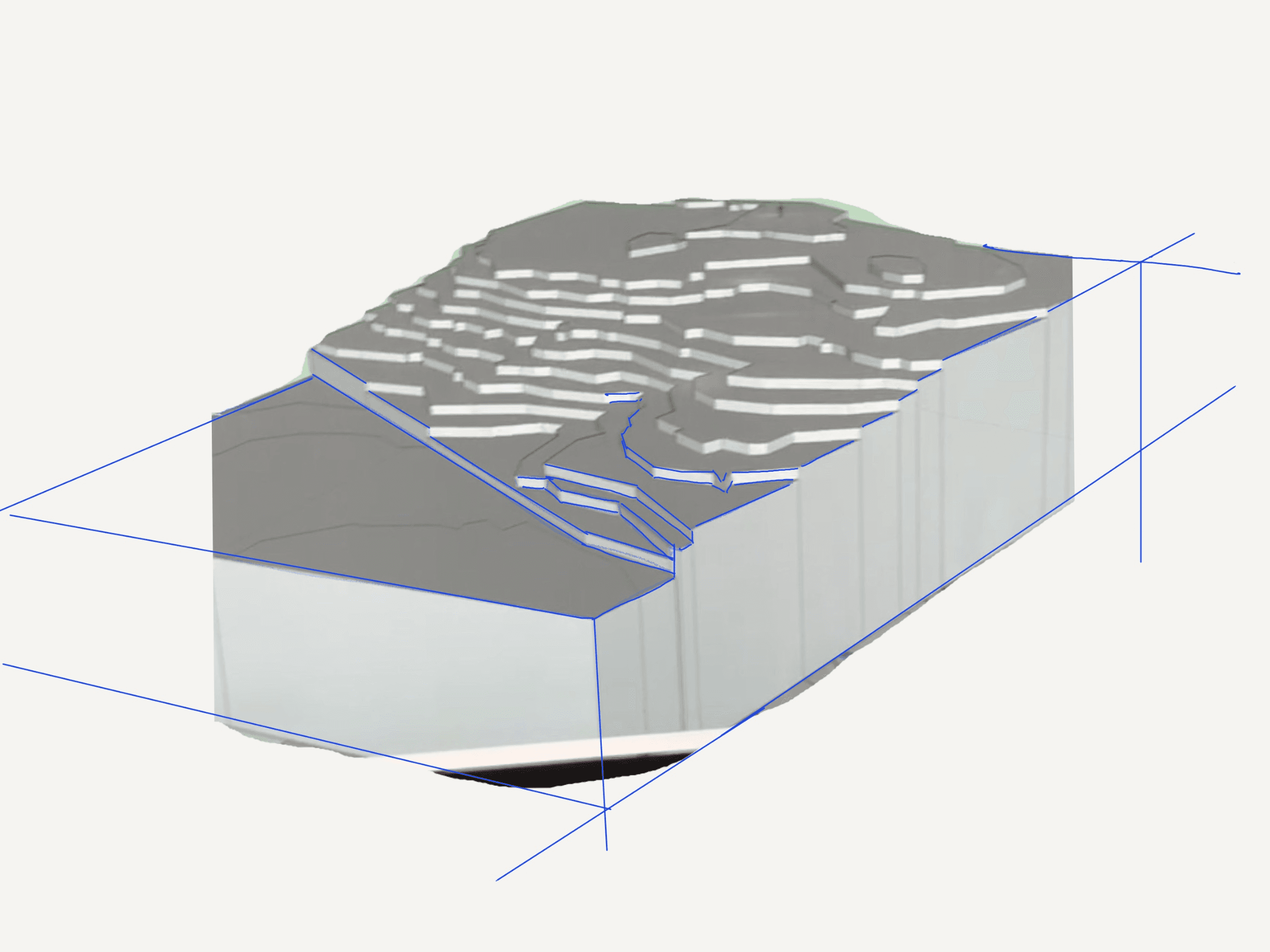
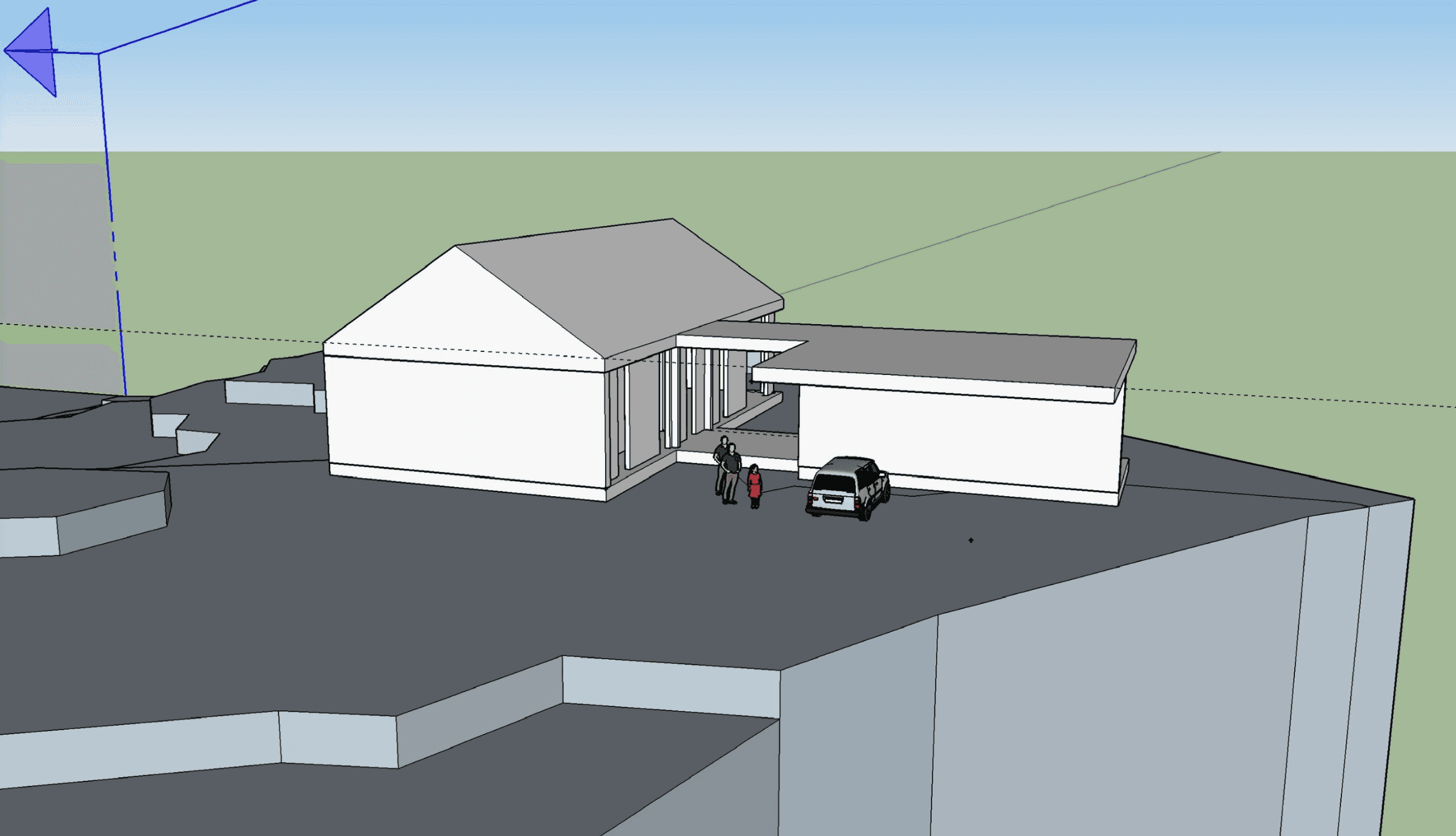
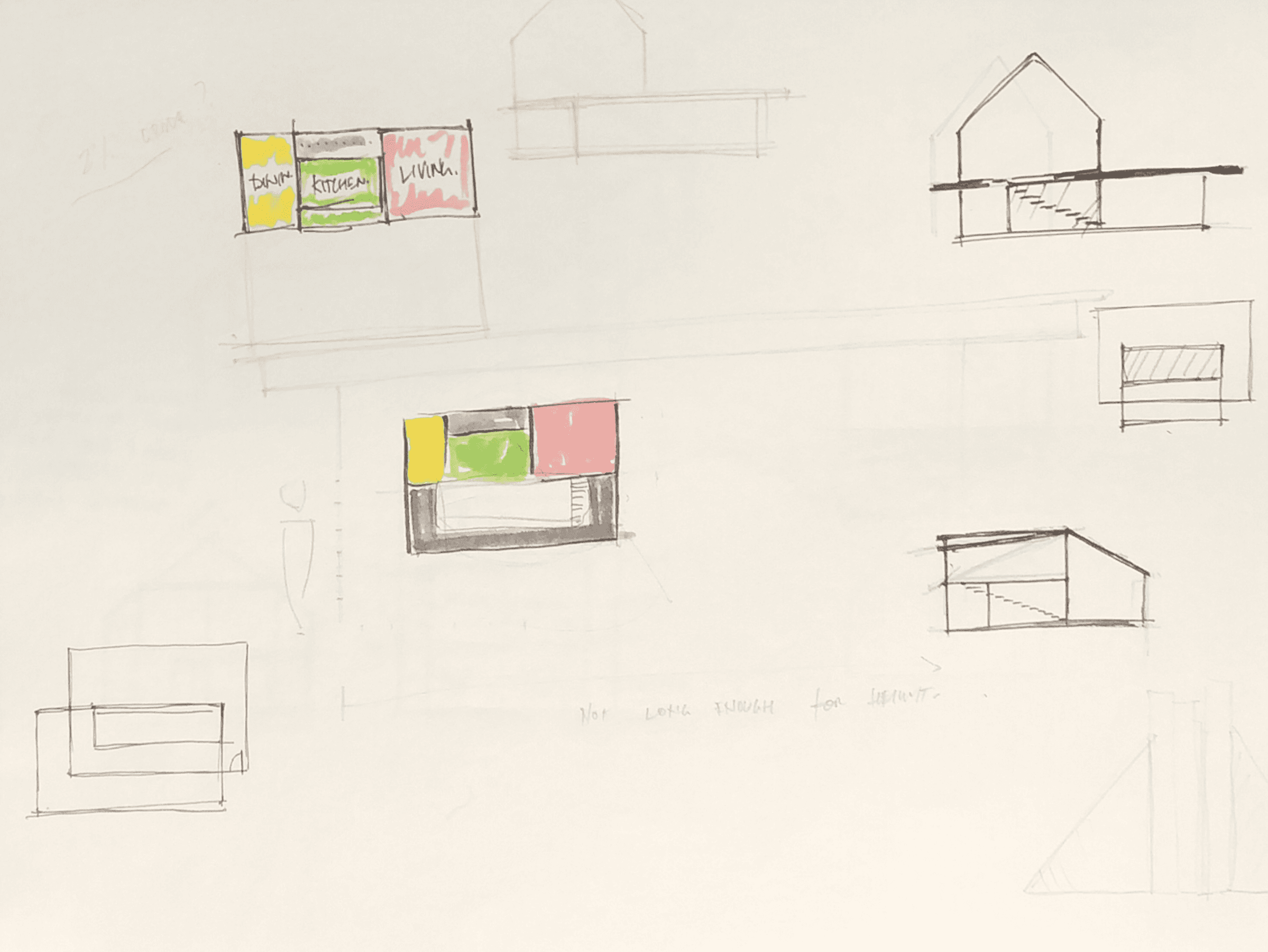
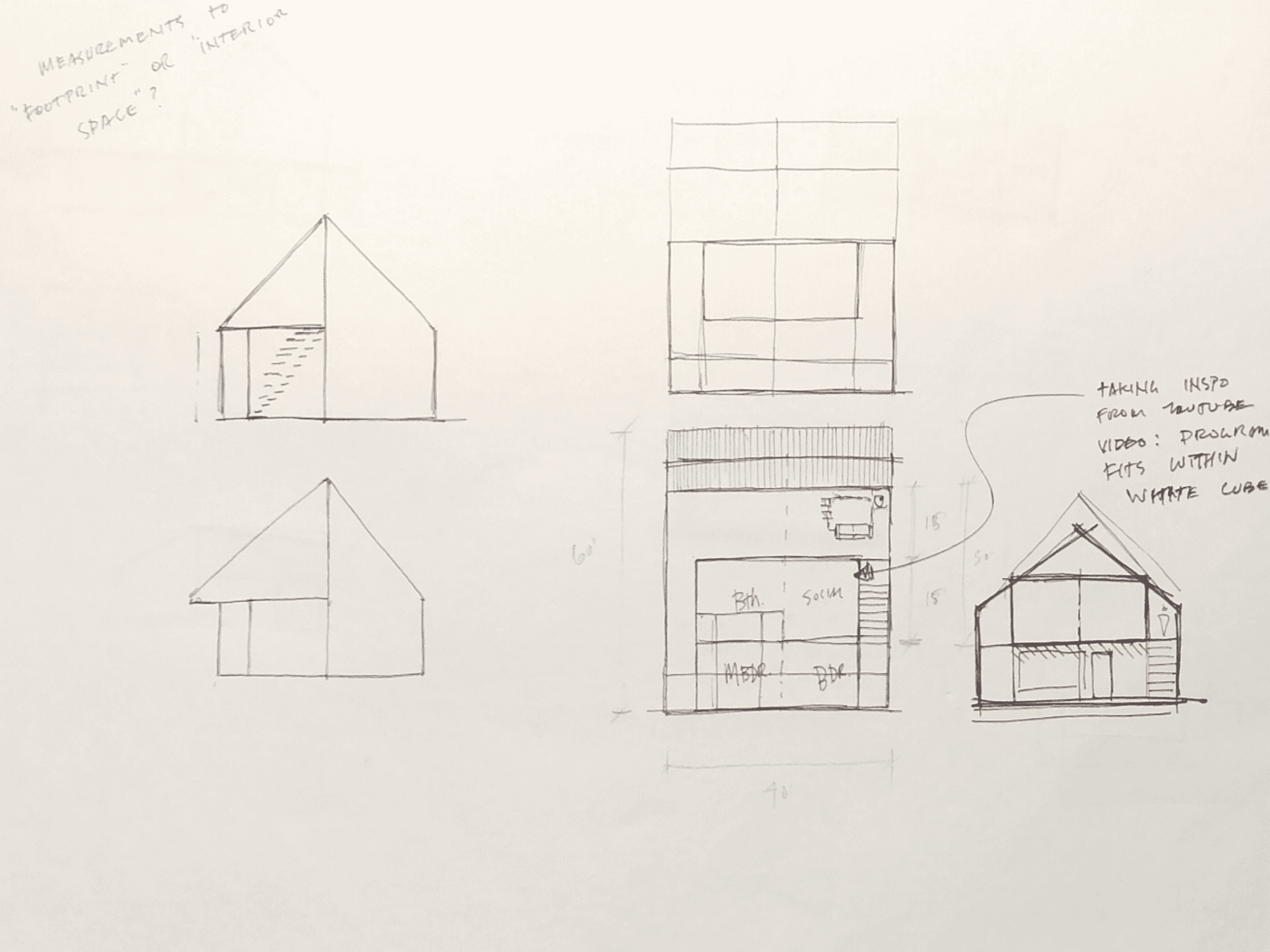
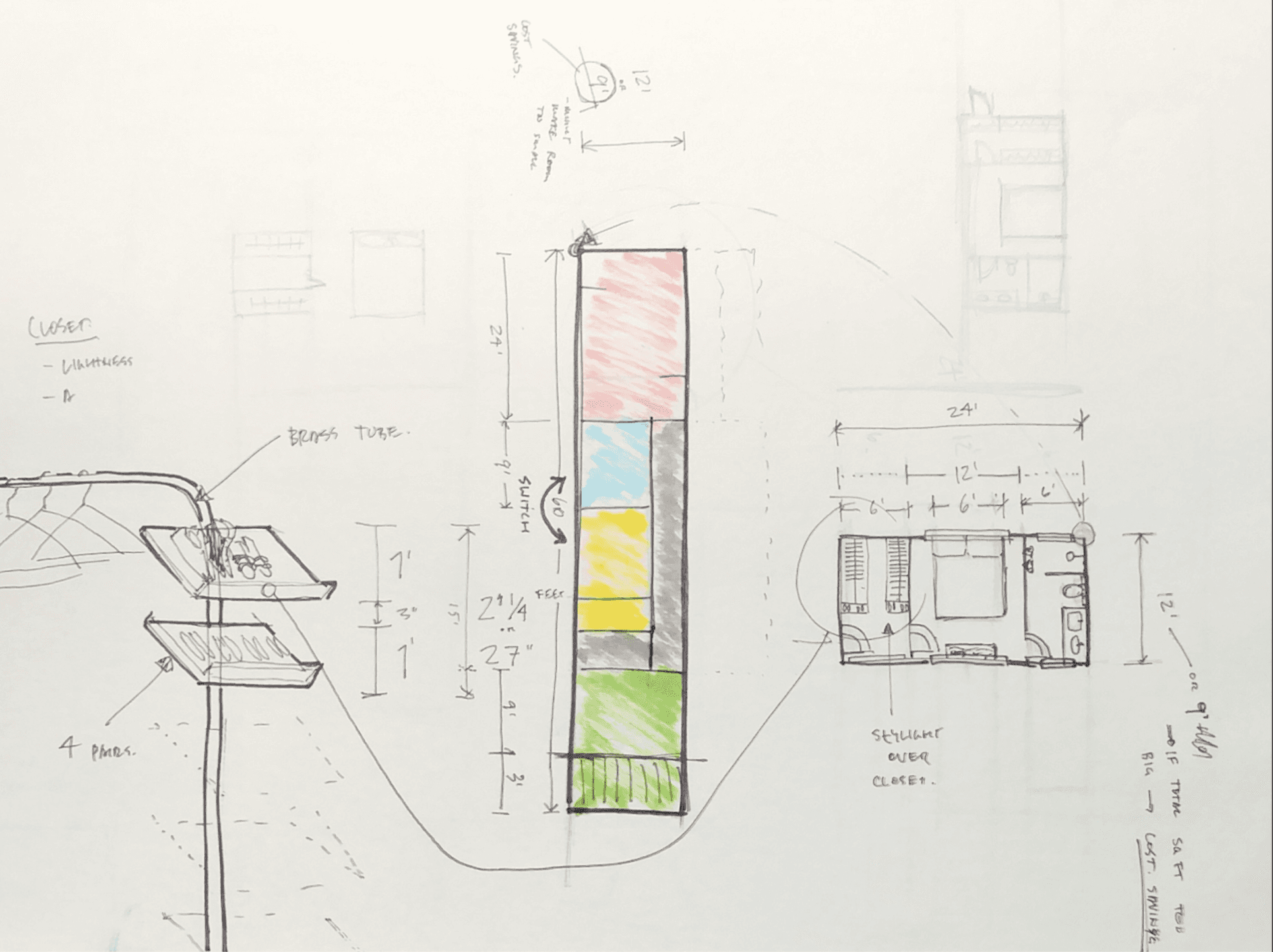
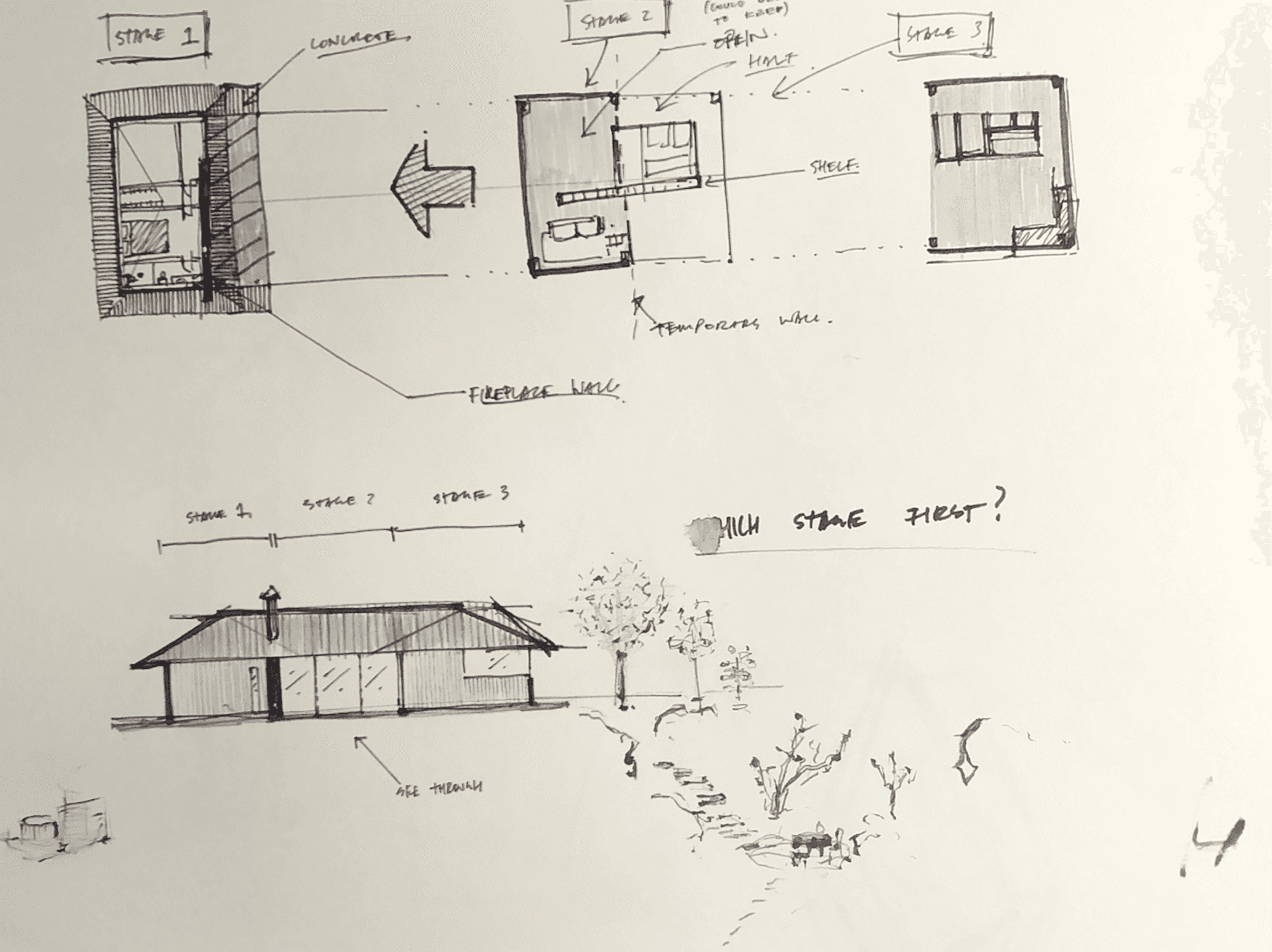
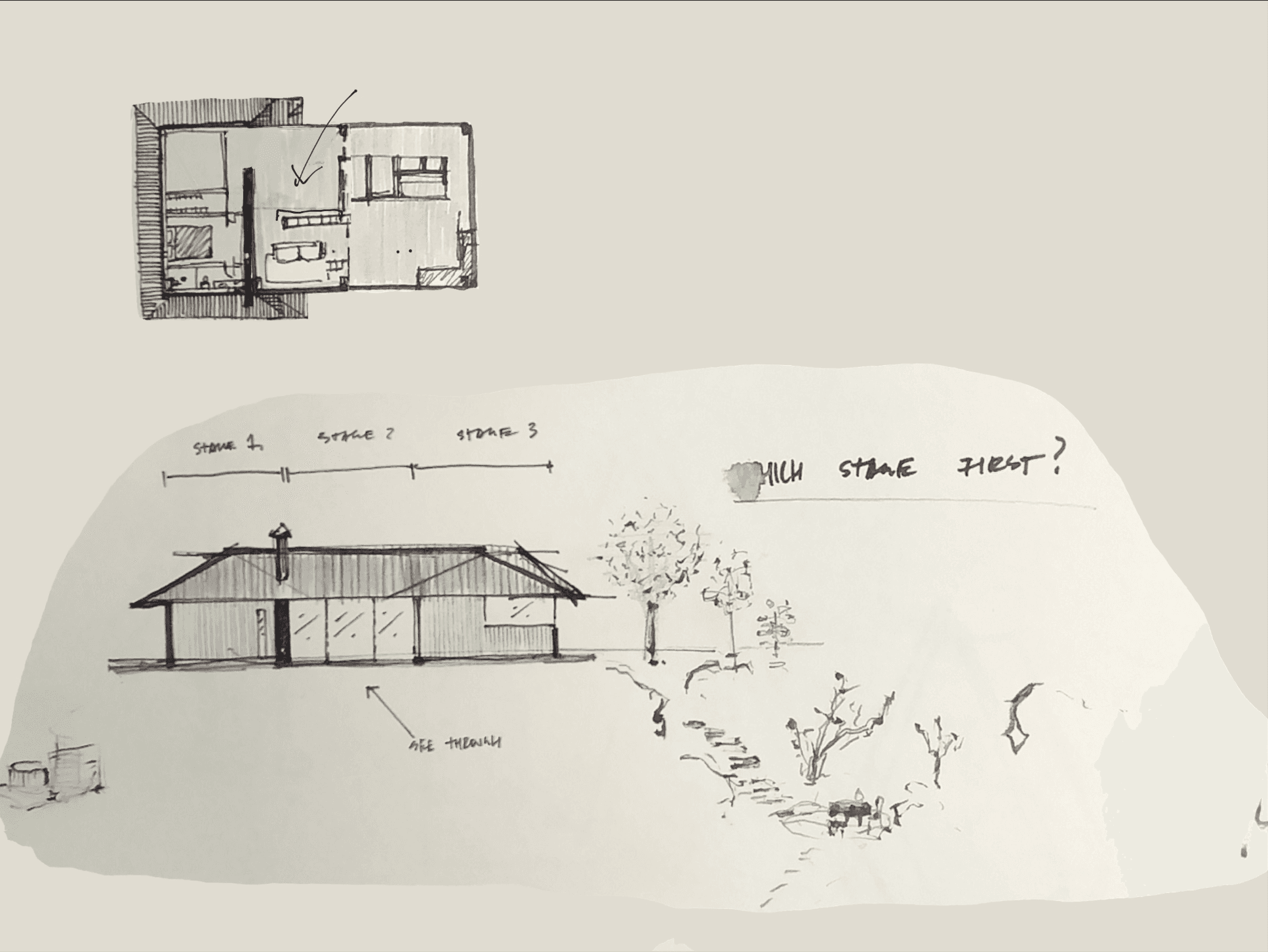
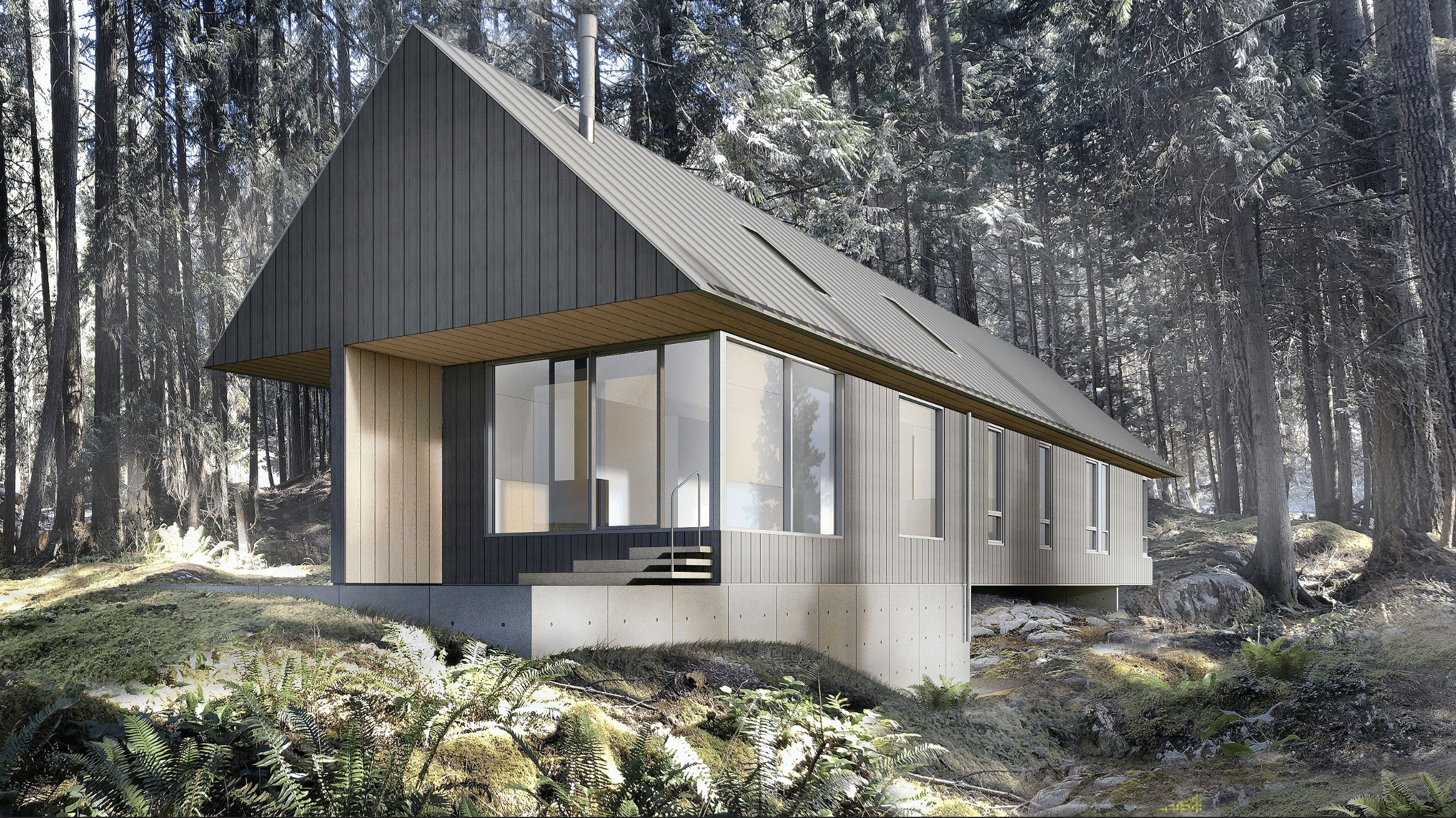
A few years ago when I was preparing to build a home on a 1 acre forested lot on Bowen Island he gave initial guidance to go back to the greats, FRED HOLLINGSWORTH, ARTHUR ERIKSON, and the like. This prompted research played a significant role in the main idea of the home we designed, unique modern cabin, which acts as a 40ft bridge across two granite bluffs.
Russ's teaching, from very early, reinforced the cross-disciplinary and multimedia nature of design. My first course with him (siat230 in 2006) took students on a journey from graphic design history to architecture and 3D form building. The end result being a teamwork crafted physical model of the Zaha Hadid firestation. These lessons have been invaluable in my design practice and I also found them to be quite helpful while building a home.
In my 2024 TOUCHPOINT lecture I spoke about how cycles (and wave-shapes) effects design and designers and touched on a model ENSO MARI. In this post I'm discussing a similar idea: thresholds and their importance in the coming age of AI.
—-
Forest cleaning — how the most basic acts of developing the land deeped the understanding of place (flow, structure, habit)
Deer walk the first path — The UX role as path builders (flow diagrams, user journeys, etc) and how nature is the origin of inspiration. The best paths are reinforced and used over long periods of time.
Chaos ← → Modernity — The site plan is one of the oldest design elements. Think of a map of a Roman cities, over 2000 years buildings are swapped out but the paths (roadways) and overall site plan remain somewhat intact. This is the concept of Pace Layering
Thresholds — Their meaning, historical and forward looking
How you can apply as a designer
UI — Range sliders
UX — Filters, user preferences, personalization / relevance
Strategy — What are the forces acting on your design environment and user context?
Principles
Use maintenance (cleaning) as energy for design.
Build structure around the flow of the space. Determine the flow first.
…on an island outside of Vancouver he took the ferry over and we hiked the mountain behind the property. We came back through…
References
Pace layering — Stewart Brand
Arthur Erickson
Fred Hollingsworth
Russel Taylor
Zara Hadid Firestation